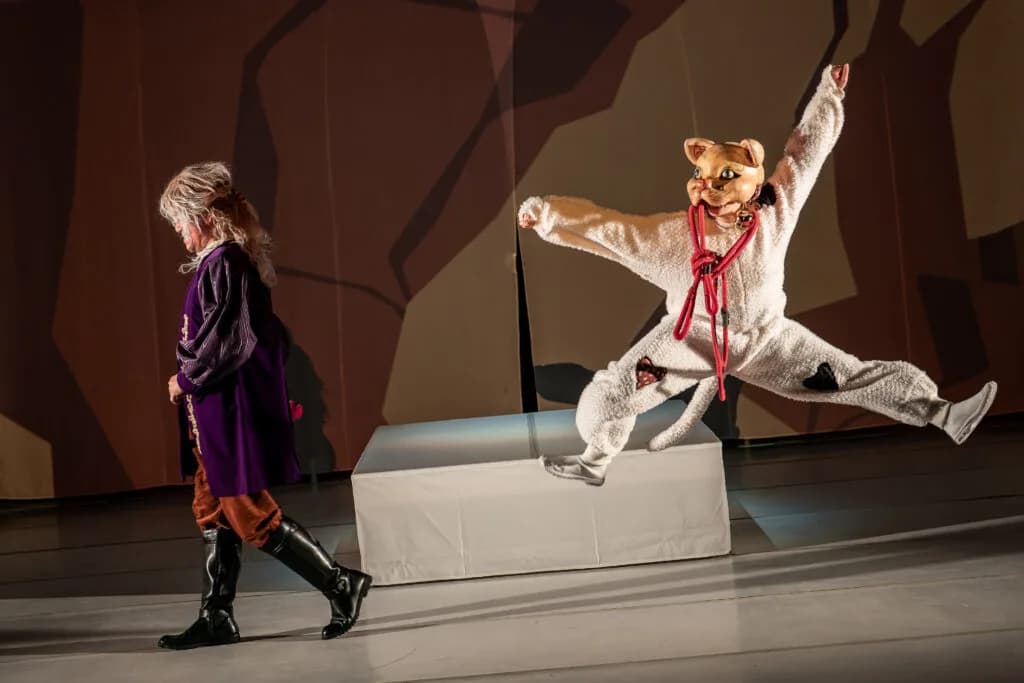
KIO is an international family entertainment company based in Osaka, creating live experiences for children and adults to share.
ONE COMPANY. TWO CONNECTED WORLDS.
Made for children. Created across cultures.
KIO’s story began in 1971. From school halls to theatres and international collaborations, the connection between performers and audiences has always been at the heart of our work.
Extensive school performance experience and international co-productions with Canada, Australia, Korea and Europe meet within one company. Each experience enriches the other.
Family means more than theatre for children. It means room for generations to laugh, wonder and think together.
CONNECTED THROUGH CREATION
Where cultures meet, new work begins.
OSAKA / JAPANCANADAAUSTRALIAKOREAEUROPE
Canada × Japan · Co-production
Mukashi, Mukashi
A co-production by Canada’s CORPUS and Japan’s KIO. Fairy tales and folk stories take on new life through movement, humour and the meeting of artists from different cultures.
A co-production by Québec’s Théâtre Incliné and KIO, inspired by Kenji Miyazawa and told through performers, puppets, shadows, images and music. Following its creation, the work returned to stages and toured in Canada and France.
A co-production by Denmark’s Meridiano Teatret and KIO. Written and directed by Giacomo Ravicchio, the performance was developed with the cast and Kohey Nakadachi. Different languages and theatre traditions meet in a shared exploration of war and the desire for peace.
An international co-production in development with Australia’s Things of Foam and Wood and KIO, exploring Japanese Yokai and parent-child relationships through puppetry and performance. The companies developed the work together in Kyneton, Victoria, in February 2026. It is also listed in Kyneton Town Hall’s official 2026 programme.
For many years, KIO organised TACT/FEST, Osaka’s international arts festival for children and young people, connecting overseas productions with audiences in Japan.
The invitation of CORPUS’s Les moutons to TACT/FEST helped build an enduring relationship. Supporting performances across Japan grew into making new work together, leading to Mukashi, Mukashi.
The encounters at TACT/FEST and KIO’s international co-productions form part of the network that Kohey Nakadachi now brings to his international cultural work through Osaka Fringe.
Osaka Fringe is an open-access arts festival bringing artists from Japan and abroad into spaces across Osaka. Organised separately from KIO, it is presented here as part of Kohey Nakadachi’s wider cultural work and international network.
Founded by Tamara Rewse and Hamish Fletcher, the company designs and builds touring puppets through its experience as puppeteers. It is developing Mamma, Yokai! with KIO.
Their work also includes mechanism design, puppet re-modelling and performance for Bluey’s Big Play.
A performance takes shape through relationships: performers, light, sound, costumes, objects, space and the audience. Together they create an experience that belongs to that moment.
Observe. Listen. Decide. Act.
Respond to what is happening, without deciding in advance who another person is. The KIO Method describes this approach to meeting audiences and creating with others—a way of attending to human exchange in school halls and international collaborations alike.
Theatre exists to enrich people’s lives. That belief is at the root of KIO’s creative practice.
Based on the creative principles in The KIO Method, Chapter One
PEOPLE / SHARED CREATION
People and sounds that connect our work.
From school performances to international co-productions, creative conversations continue from one work to the next.
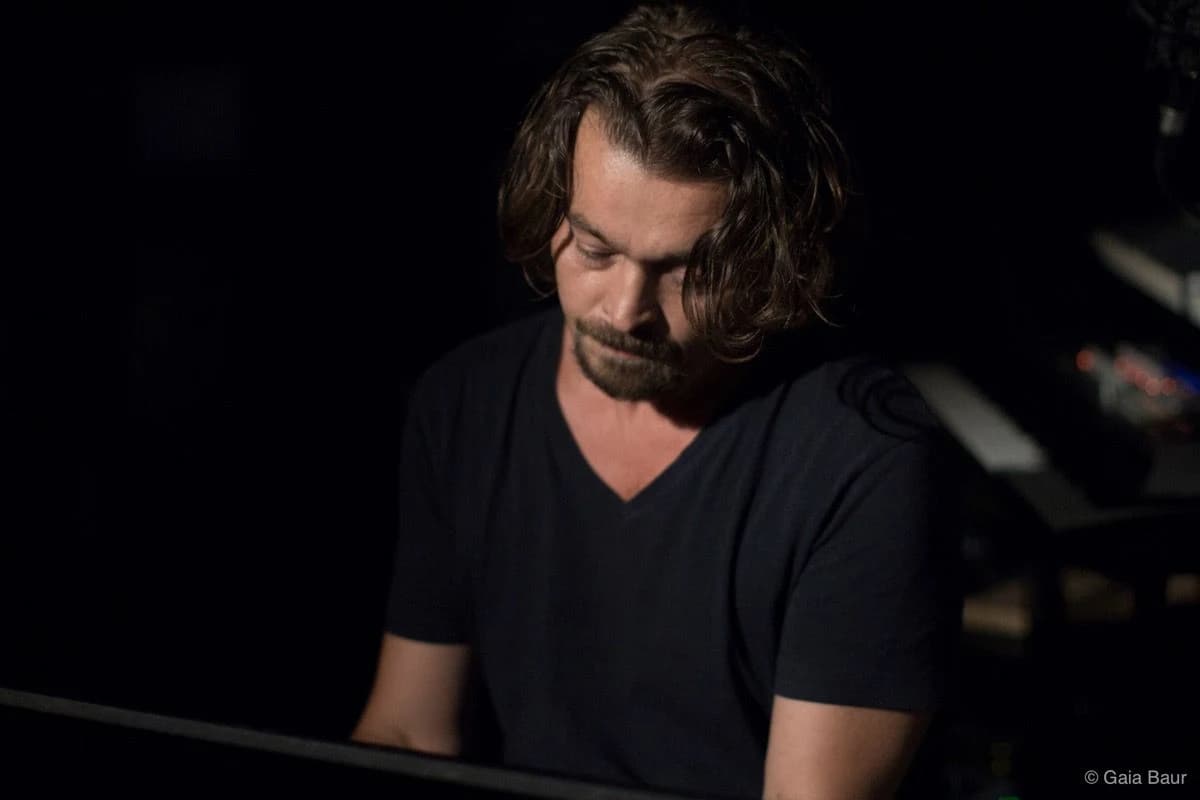
Music & sound design
Jérôme Baur
A continuing creative partner whose music shapes distinct worlds in Who Will Take the Egg?, Magna and the Mysterious Girl, The Little Prince and BAKU.
Sounds encountered in Osaka become music for the stage.
When revisiting the music for Who Will Take the Egg?, Jérôme Baur brought together styles including jazz, reggae and flamenco, inviting children to encounter a broad range of sounds.
His creative work in Osaka also included recording koto, voices and a temple bell. Encounters with people and local sounds became part of the work.